Sphynx Care Guide
Everything you need to know about caring for your Sphynx
Sphynx cats are unique and wonderful companions that require some special care considerations. While they may look like they need less maintenance due to their lack of fur, they actually require regular grooming and attention to keep them healthy and happy. This guide covers everything you need to know about caring for your Sphynx cat.
Health & HCM
Understanding HCM
Hypertrophic Cardiomyopathy (HCM) is the most common heart disease in cats and is unfortunately prevalent in the Sphynx breed. HCM causes the walls of the heart to thicken, which can lead to various complications. However, with proper screening and early detection, many cats with HCM can live long, happy lives.
Our HCM Guarantee
At Swanky Sphynx, we take HCM seriously. All of our breeding cats undergo annual echocardiograms performed by board-certified veterinary cardiologists. We provide a 3-year HCM health guarantee on all kittens. If your kitten develops HCM within the first two years of life, we will work with you to provide support and solutions.
Recommended Screening
We recommend that all Sphynx cats receive regular cardiac screenings throughout their lives. An echocardiogram (ultrasound of the heart) by a board-certified cardiologist is the gold standard for HCM detection. Early diagnosis allows for proper management and monitoring.
Diet & Nutrition
Nutritional Requirements
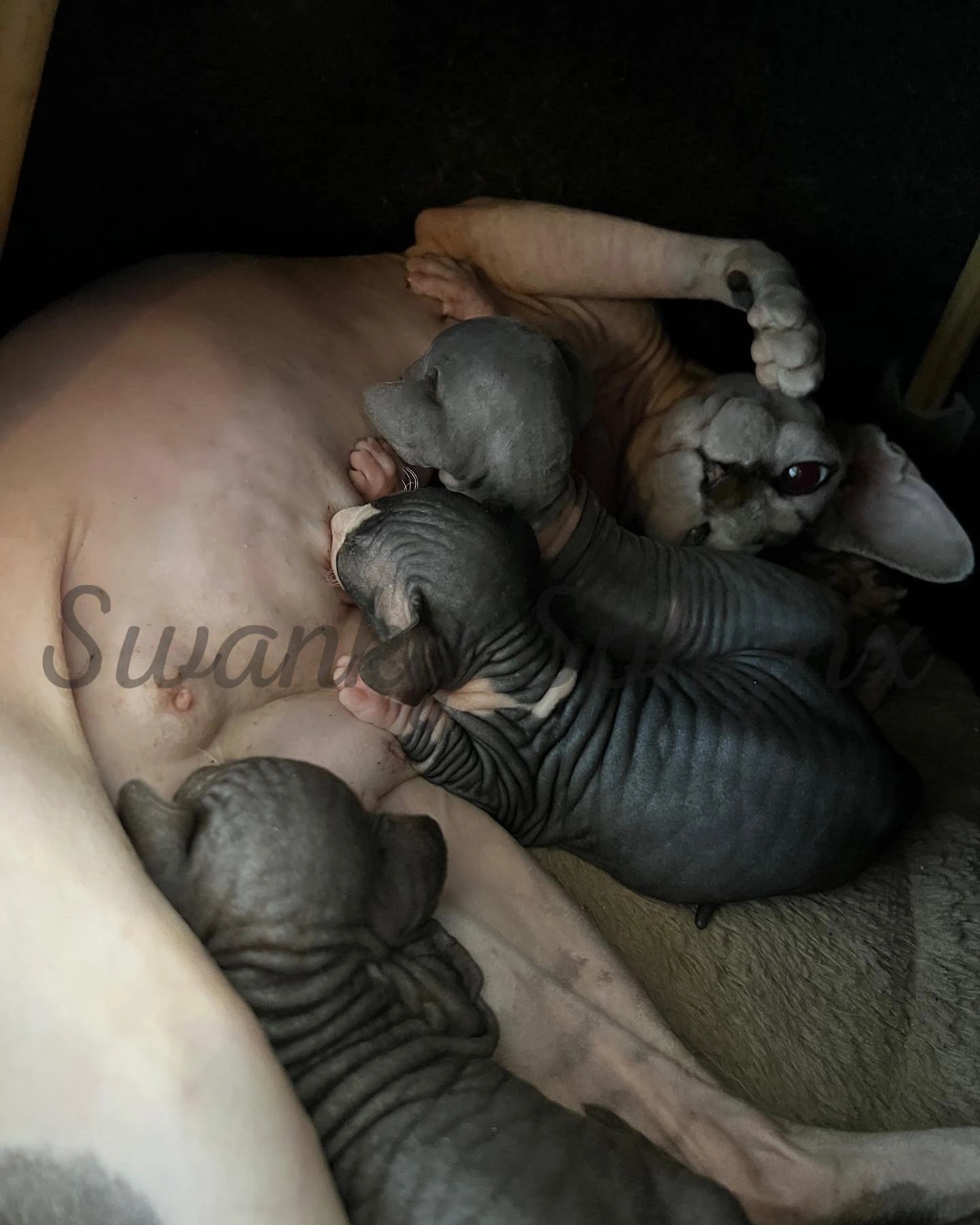
Sphynx cats have a higher metabolism than most cats due to their lack of fur and the energy required to maintain body temperature. This means they typically need more calories than a comparably-sized furry cat. As obligate carnivores, they require a high-quality, high-protein diet made from animal sources.
Our Feeding Recommendations
- High-quality wet food as the primary diet
- Premium dry kibble available for free-feeding between meals
- Fresh, clean water always available
- Avoid foods with artificial colors, flavors, or fillers
When your kitten comes home, we will provide you with information about their current diet to ensure a smooth transition. Any diet changes should be made gradually over 7-10 days to avoid digestive upset.
Bathing & Grooming
Regular Bathing
Unlike furry cats that have fur to absorb natural skin oils, Sphynx cats need regular baths to remove oil buildup. Most Sphynx cats need bathing every 1-2 weeks, though this can vary depending on the individual cat. Some produce more oils than others.
Bath Time Tips
- Use warm (not hot) water
- Use a gentle, hypoallergenic cat shampoo
- Dry thoroughly with a soft towel
- Keep them warm until completely dry
Ear Cleaning
Sphynx cats tend to produce more earwax than furry cats. Check and clean their ears weekly using a gentle ear cleaner and cotton balls. Never insert anything into the ear canal.
Nail Care
Regular nail trimming is important, as oils and debris can accumulate around the nail beds. Trim nails every 1-2 weeks and clean around the nail beds during baths.
Litter Recommendations
Our Top Pick: Pine Pellets
We use and recommend pine pellets for Sphynx cats. Pine pellets are a fantastic alternative to traditional clay litter for several reasons:
Low Dust
Pine pellets produce significantly less dust than clay litter, which is better for your Sphynx's respiratory system and keeps their skin cleaner.
Natural Odor Control
The natural pine scent helps control odors without artificial fragrances that can irritate sensitive Sphynx skin.
Eco-Friendly
Pine pellets are biodegradable and made from renewable resources, making them an environmentally conscious choice.
Cost Effective
You can purchase pine pellets at farm supply stores for about $5-7 for a 40 lb bag, which lasts much longer than clay litter.
Avoid scented and dusty litters. Sphynx cats can be sensitive to artificial fragrances and dust can irritate their skin and respiratory system. Also avoid clumping litters that may stick to their skin.
Temperament & Personality
The Sphynx Personality
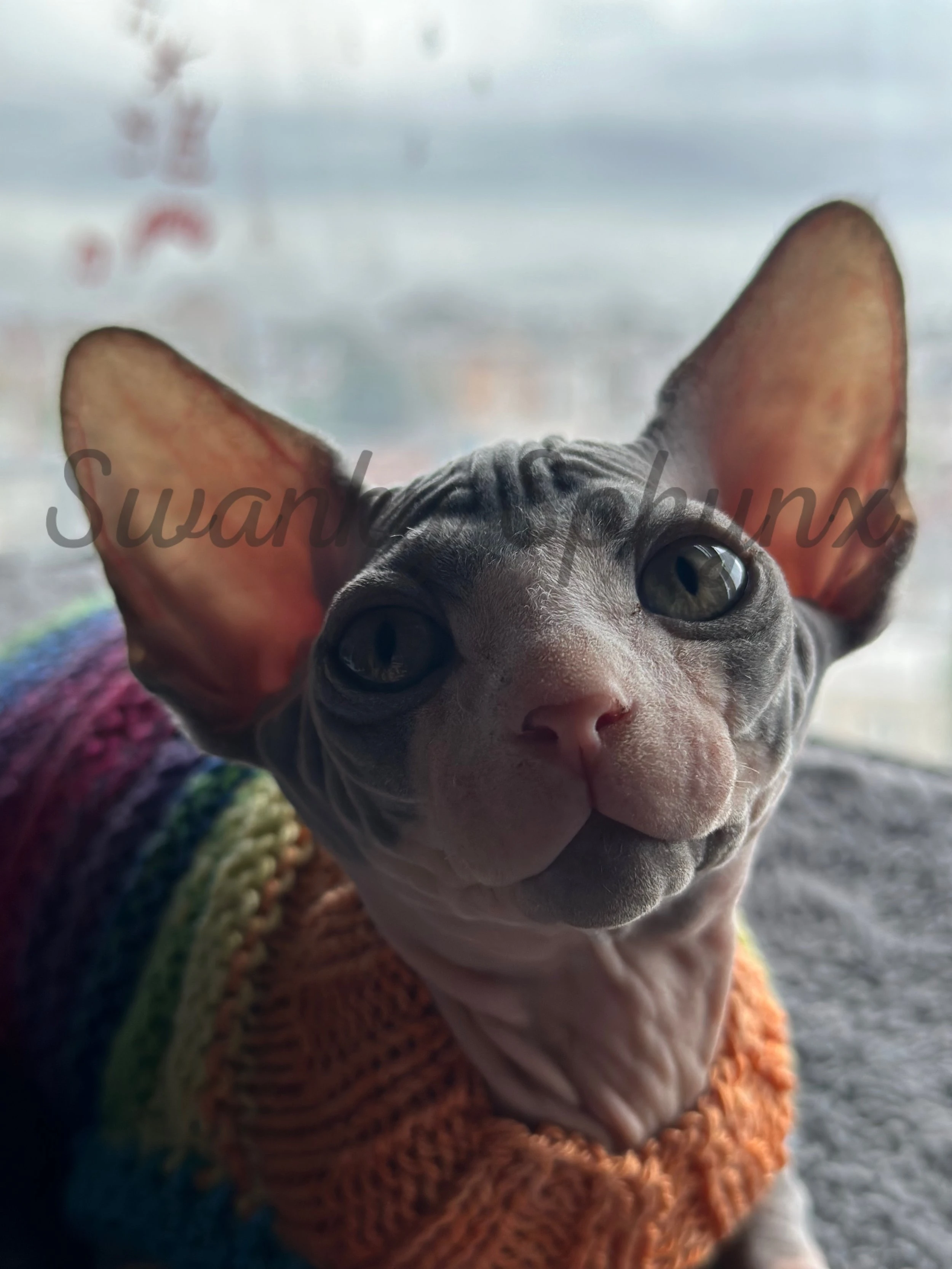
Sphynx cats are known for their incredibly affectionate and outgoing personalities. They are often described as "part cat, part dog, part monkey, and part toddler." These cats thrive on human attention and love to be involved in everything you do.
Key Personality Traits
- Extremely affectionate and loving
- Highly intelligent and curious
- Playful and energetic throughout life
- Social and good with children and other pets
- Love to be warm and will seek out sunny spots
Companionship
Sphynx cats do well with other pets and can get lonely if left alone for long periods. If you work long hours, consider getting a companion pet. They do equally well with another Sphynx or with cats of other breeds, and often befriend dogs too.
Home Environment
Temperature
Sphynx cats are sensitive to temperature. Keep your home at a comfortable temperature (68-75°F) and provide warm spots like heated beds or sunny windowsills. In cooler months, consider cat sweaters.
Sun Protection
While Sphynx cats love sunbathing, limit their sun exposure to prevent sunburn. Never apply human sunscreen to cats. If they'll be in direct sun, provide shade options.
Enrichment
Provide plenty of toys, climbing structures, and interactive play. Sphynx cats are intelligent and need mental stimulation. Puzzle feeders and regular play sessions are great options.
Safe Spaces
Ensure your home is cat-proofed. Remove toxic plants, secure loose cords, and provide cozy spots where your Sphynx can retreat and feel safe.
Have Questions?
We're here to help! Contact us anytime with questions about Sphynx care. As part of our commitment to our kitten families, we provide lifetime support.
Inquire Now